Castro & Beyond

A Town that Tells 3,000 Years of History

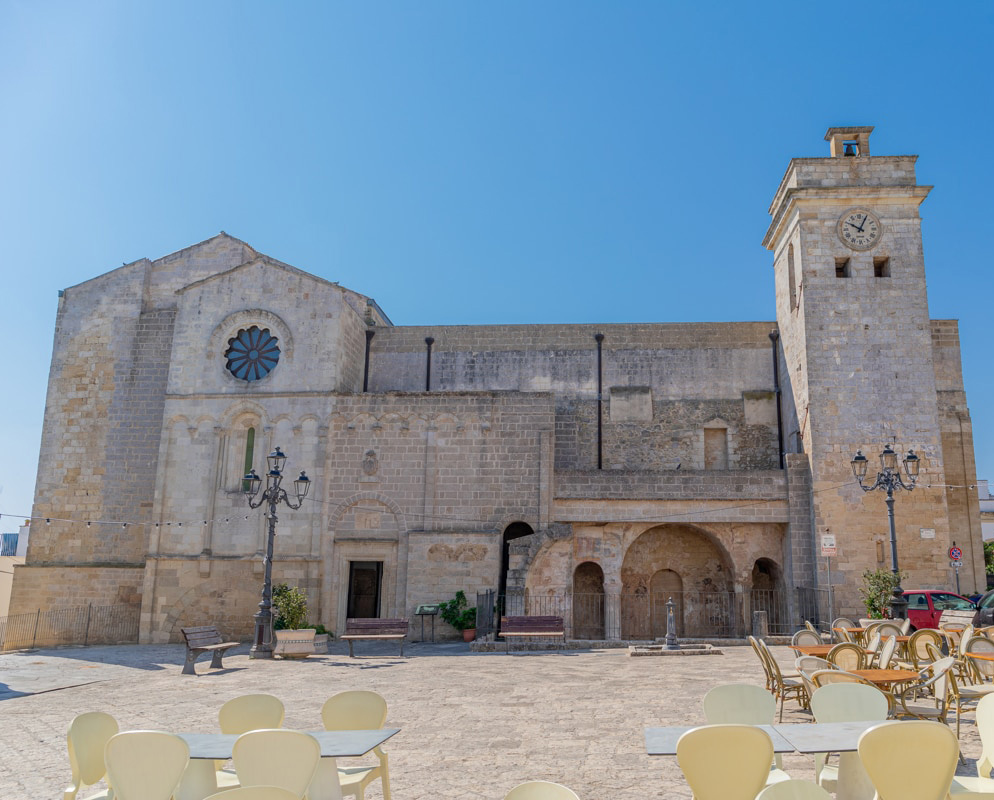
Castro is divided into two complementary souls. Castro Alta is the medieval historic centre: the 16th-century Angevin Castle with its Knight’s Tower and the circular Aragonese Tower, the Antonio Lazzari Archaeological Museum with finds from the Palaeolithic to the 16th century, and the Cathedral of the Annunziata (1171), built on the remains of an ancient Greek sanctuary alongside a small 10th-century Byzantine church. Walking through its stone alleys, with constant glimpses of the sea, is already an experience in itself.

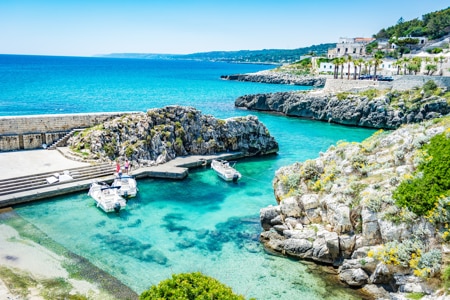
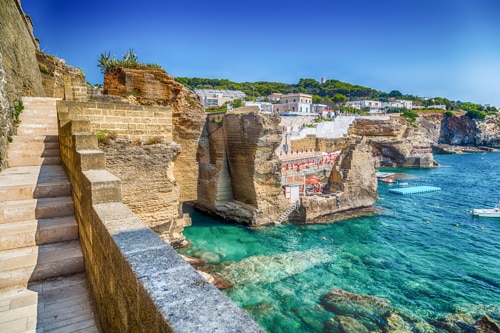
Castro Marina is instead the small harbour at the foot of the village: caves carved into the rock, once used as fishermen’s storage, create a natural backdrop to the lively port. At sunset, when the fishing boats head out with their lights on, Castro Marina offers one of the most evocative scenes along the entire Salento coast.

The history of Castro, however, begins long before the Middle Ages. According to Virgil’s *Aeneid*, it was here that Aeneas landed after spotting the Temple of Minerva on the cliffs. Archaeological excavations in the Capanne area have confirmed the legend, uncovering the remains of the sanctuary, including a red-painted altar, a statue nearly three metres tall and a bronze statuette of Athena Iliaca with a Trojan headdress. It was this temple that gave the town its Roman name: Castrum Minervae.
The Most Beautiful Caves in Salento, Just Steps from the Harbour

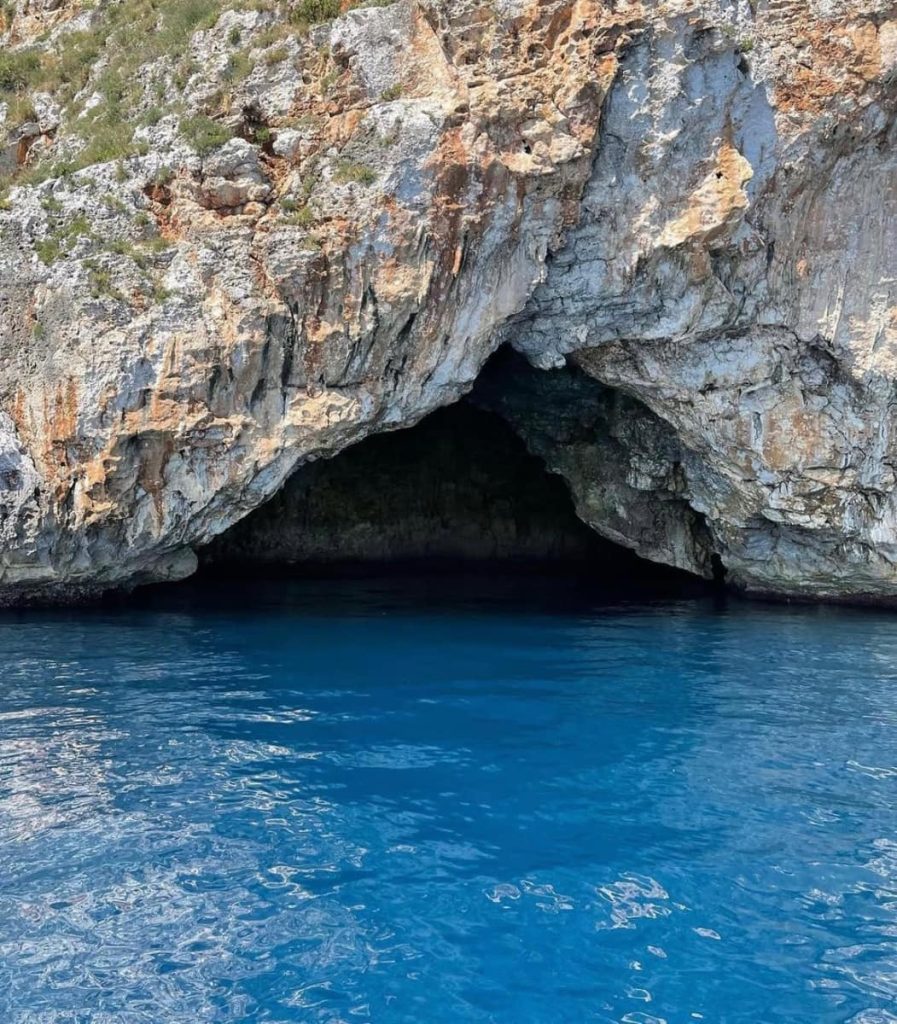
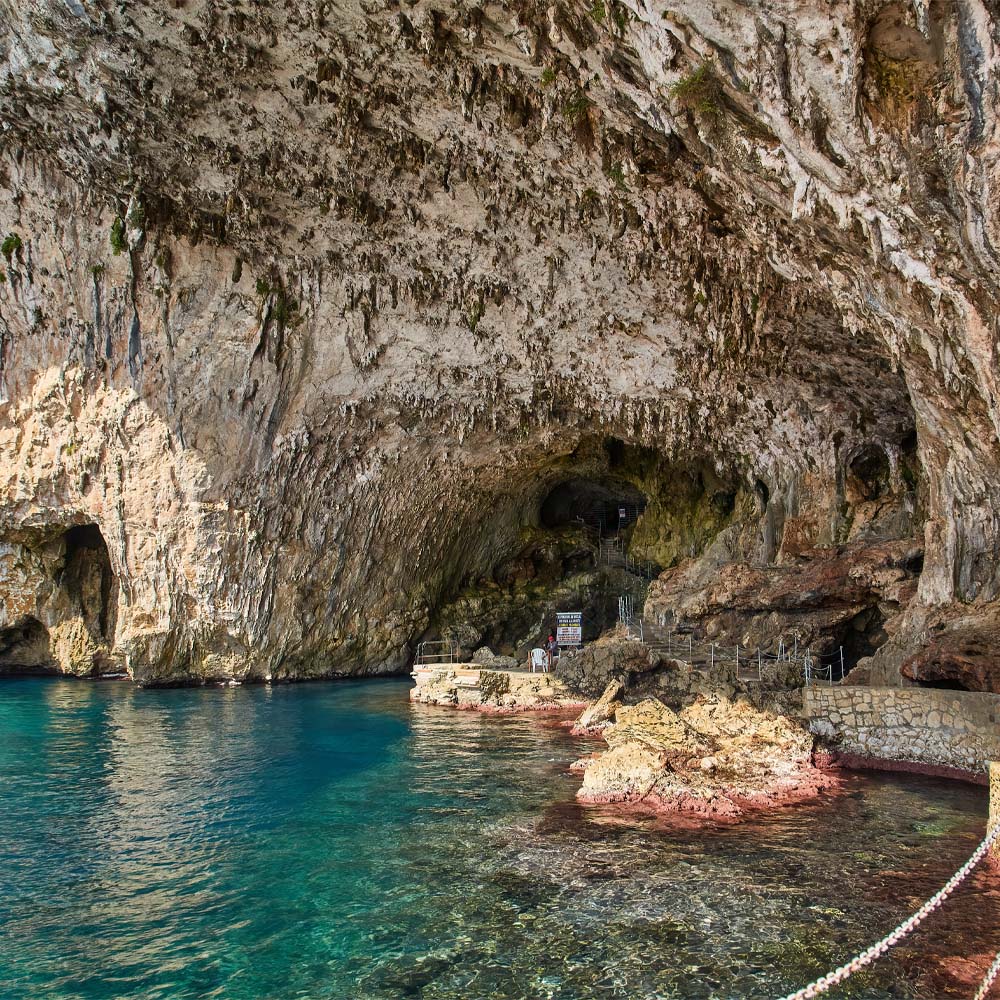
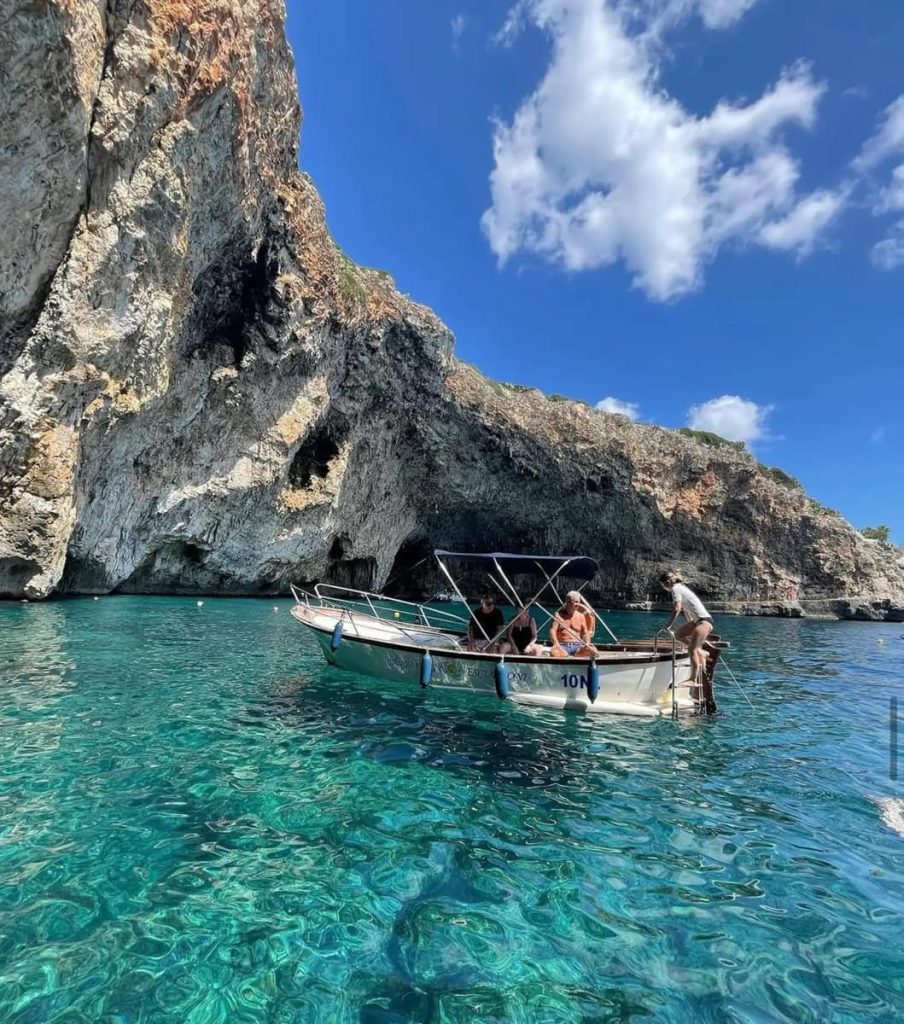
From Castro Marina, you can access the most spectacular caves along the Adriatic coast of Salento, best explored by sea aboard our boats. The Zinzulusa Cave is the most famous: a natural cathedral opening at sea level, with extraordinary stalactites and stalagmites — the ‘zinzuli’, meaning hanging rags in the local dialect — and an inner lake where unique prehistoric organisms still survive.

The Romanelli Cave is of global scientific importance: here, palaeolithic remains of African animals and ancient human populations dating back over 12,000 years have been discovered. Then there are the Lovers’ Cave, the Blue Cave with its incredible light reflections, the Palombara Cave, the Twin Caves and the Striare Caves: a sequence of natural wonders that can truly be experienced only from the sea, at the right pace and in the right order.

North of Castro: Santa Cesarea Terme, Elegance and Legend

Just a few kilometres north of Castro lies Santa Cesarea Terme, one of the most elegant towns in Salento, blending ancient history, healing waters and refined Art Nouveau architecture. Its sulphurous and salty thermal waters emerge at around 30°C from four natural caves — Solfatara, Gattulla, Sulfurea and Fetida — known for their beneficial properties.

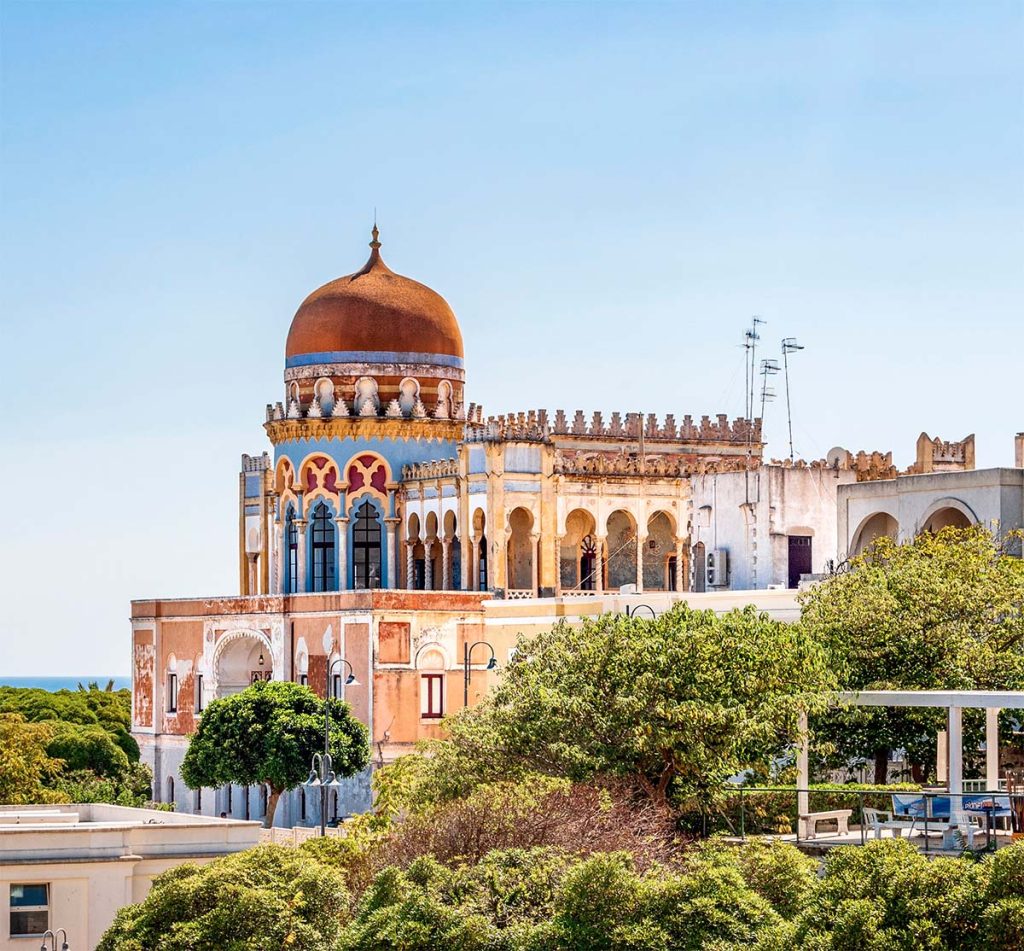
From the sea, during our excursions, it is the skyline that impresses. Villa Sticchi dominates the coast with its orange dome in Moorish style, while Villa Raffaella, Palazzo Tamborino and the Belvedere pine forest complete a unique landscape of architecture and nature.

South of Castro: Otranto, Italy’s Easternmost Town

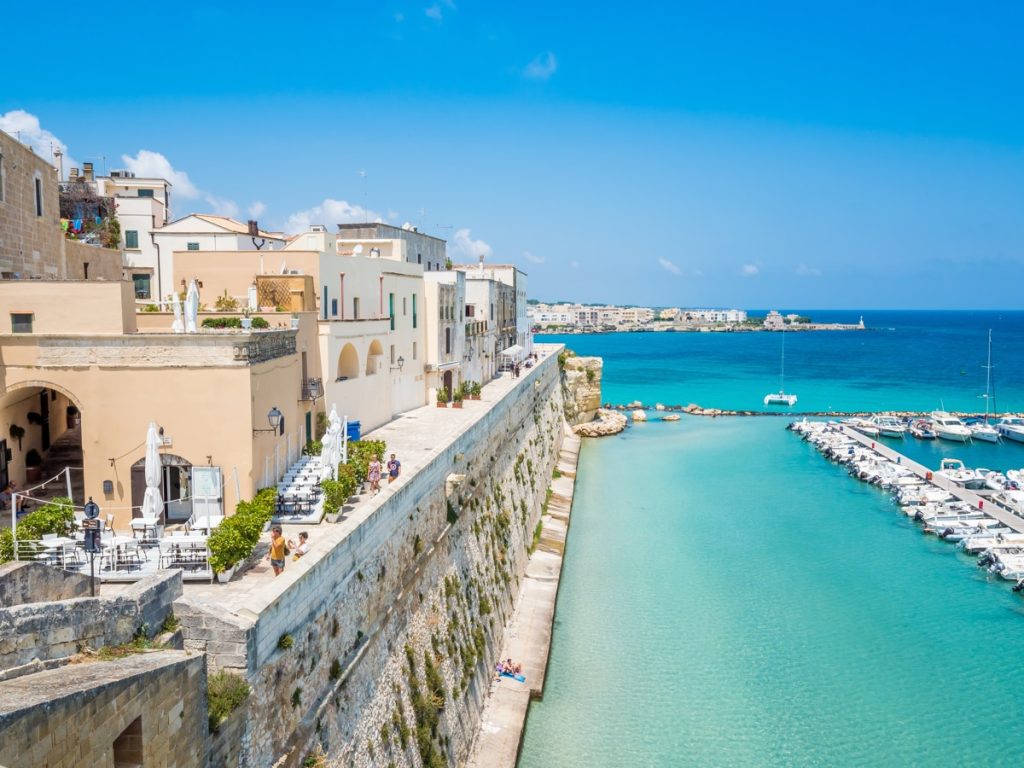
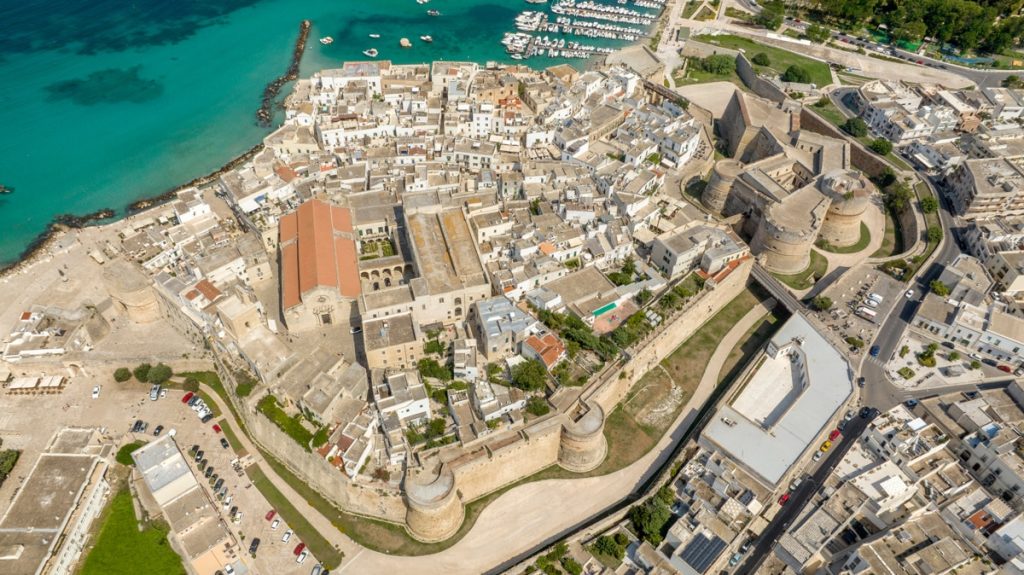
A few kilometres south of Castro lies Otranto, a crossroads of civilisations where Greeks, Romans, Byzantines, Turks and Aragonese have all left their mark.

The highlight is the Cathedral of Santa Maria Annunziata, built in 1068, home to one of Italy’s greatest medieval masterpieces: a mosaic floor representing the journey of humanity from sin to salvation.

Nearby you’ll find the Aragonese Castle, the seafront promenade and the monument to the 813 Martyrs of Otranto. Outside the town, the Bauxite Quarry and the Punta Palascìa Lighthouse, the easternmost point of Italy, offer unforgettable views.

Now You Know the Coast. All That’s Left Is to Experience It.

Everything you’ve read is even more beautiful from the sea. Step on board with Noleggio Fortunato and let the coastline tell you the rest.

WhatsAppCall Us